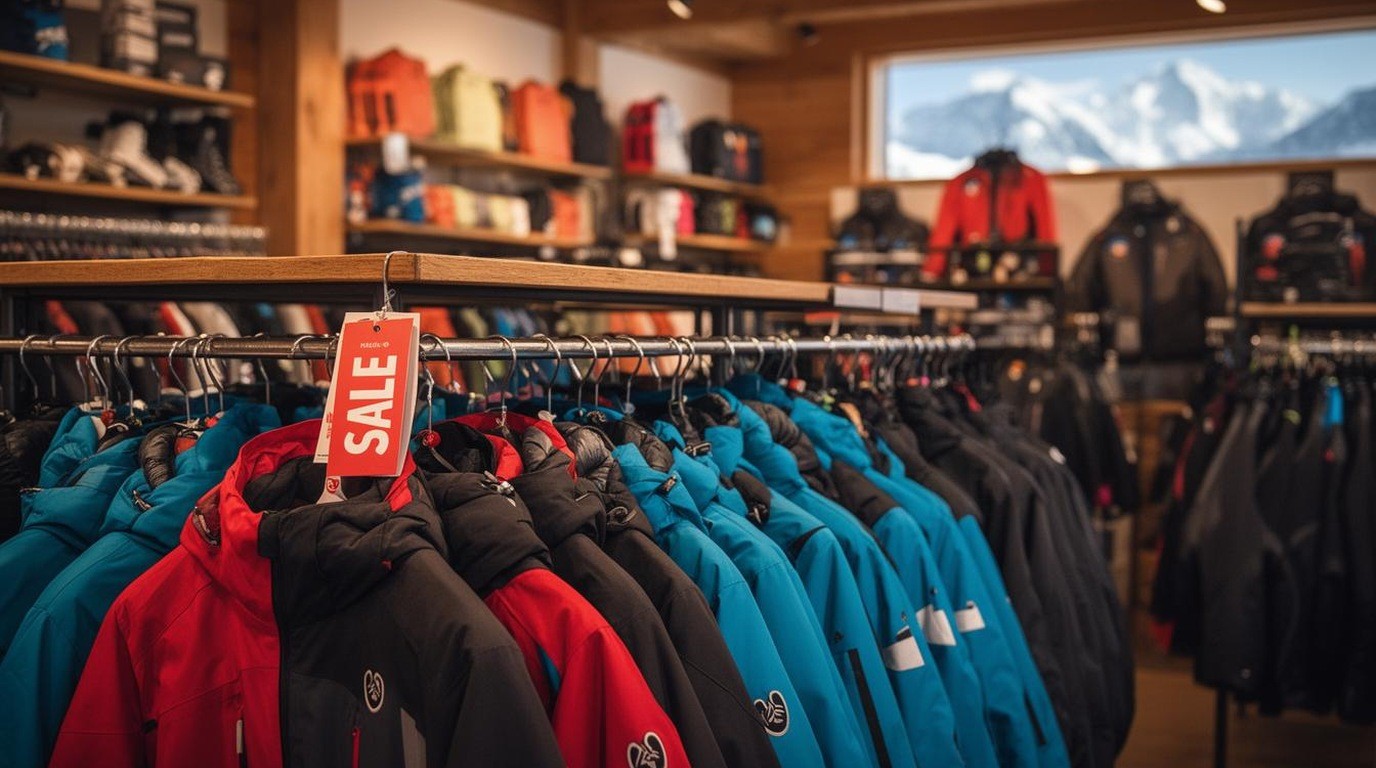
The first ski sales of the season arrive in the first weeks of December, often before the first snow has fallen and while the shop still smells of fresh wax. The banners promise deep discounts on boots, skis and jackets, and the stock looks generous. Some of the offers are genuine bargains on last year’s models or on pieces the store wants to clear. Others are leftovers from a model that has already been replaced, sold at a price that looks good only if you do not check the details.
This guide explains how to judge early-season ski sales: how to read model numbers and years, how to compare prices with the rest of the season, what to check on boots, skis and bindings and how to protect yourself with return terms. It is a checklist for the season, not a recommendation of any brand or shop.
In brief
- Early-December sales can be real, but the model number decides whether the discount means anything.
- Compare the sale price with the same model in the current season.
- Check the return window before buying gear in a rush.
In this guide
Why the season opens with sales
Ski retailers buy their stock months before the season starts, and the first orders are often the largest. When new models arrive, the previous generation is discounted to make room. Some of those discounts are generous and reflect real value, because the older model may be nearly identical to the new one. Others reflect a model that the manufacturer has dropped, a size that is hard to sell or a color nobody wanted.
Retailers also use early sales to bring customers in before the holidays and before the first storms. A sale in early December can be a good way to buy equipment, but it is also a time when shops are busy, staff are stretched and the pressure to decide quickly is strong.
Reading the model number and year
The model number is the most reliable way to check what you are buying. Find the full number on the product page or the label, and search for it on the manufacturer’s website and in independent reviews. If the number does not appear on the manufacturer’s site, it may be a retailer-specific variant, and its specifications may differ from the standard model.
Most ski products carry a model year. A model year two seasons old is not automatically a bad buy, since the change may be cosmetic. But if the newer version has a better fit, a different construction or a lighter shell, the older version may feel less refined. Check what changed between years, and decide whether those changes matter for you.
Comparing prices over the season
A discount is only meaningful if the earlier price was real. Check the price history of the model using price-tracking tools where available, and compare it with the price at other retailers. Ski products are often discounted several times during the season, and early December is not always the lowest point. Prices may drop further in January or in spring, but sizes and colors sell out, so the trade-off is availability against price.
If you can wait, watching a model for a few weeks shows you the pattern. If you are renting for the first part of the season and buying later, the early sale may not suit your timing.
What to check on each item
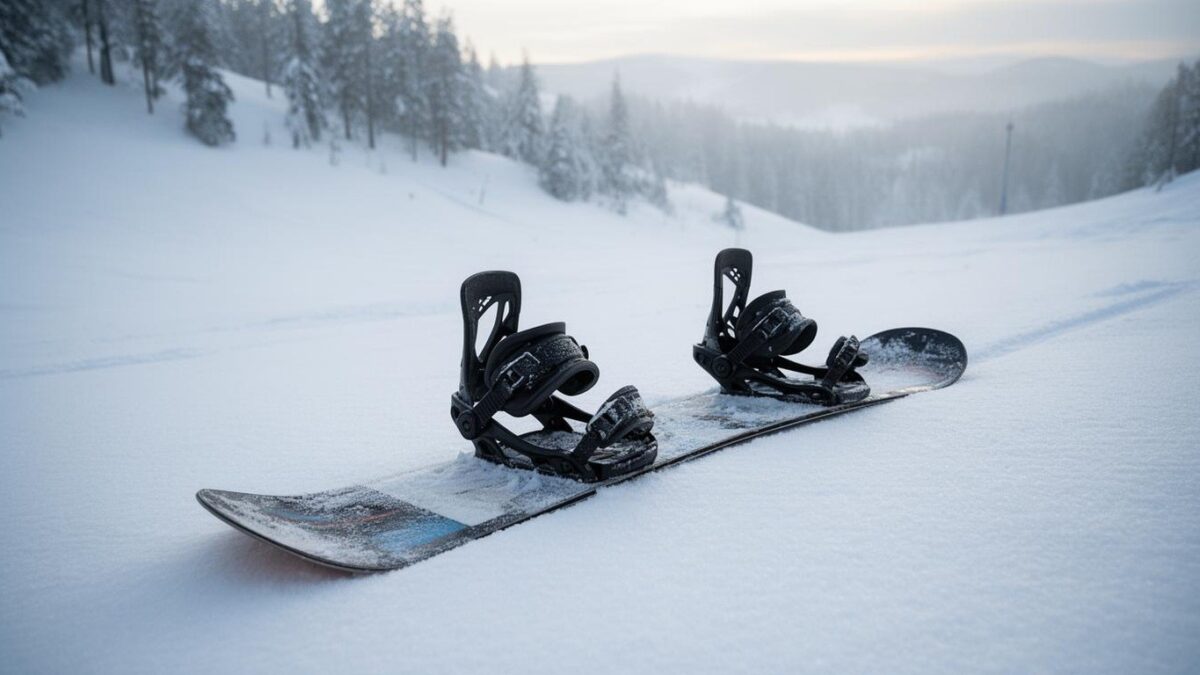
Boots and bindings need the most care, because they are where the fit and compatibility problems occur. Our guide to ski boots that fit explains what to check on a boot, and the guide to snowboard bindings and stance covers the setup side.
Skis should be matched to length, width and shape, as explained in our guide to choosing skis. Check the model year and the construction, and ask whether the ski is the same as the standard version.
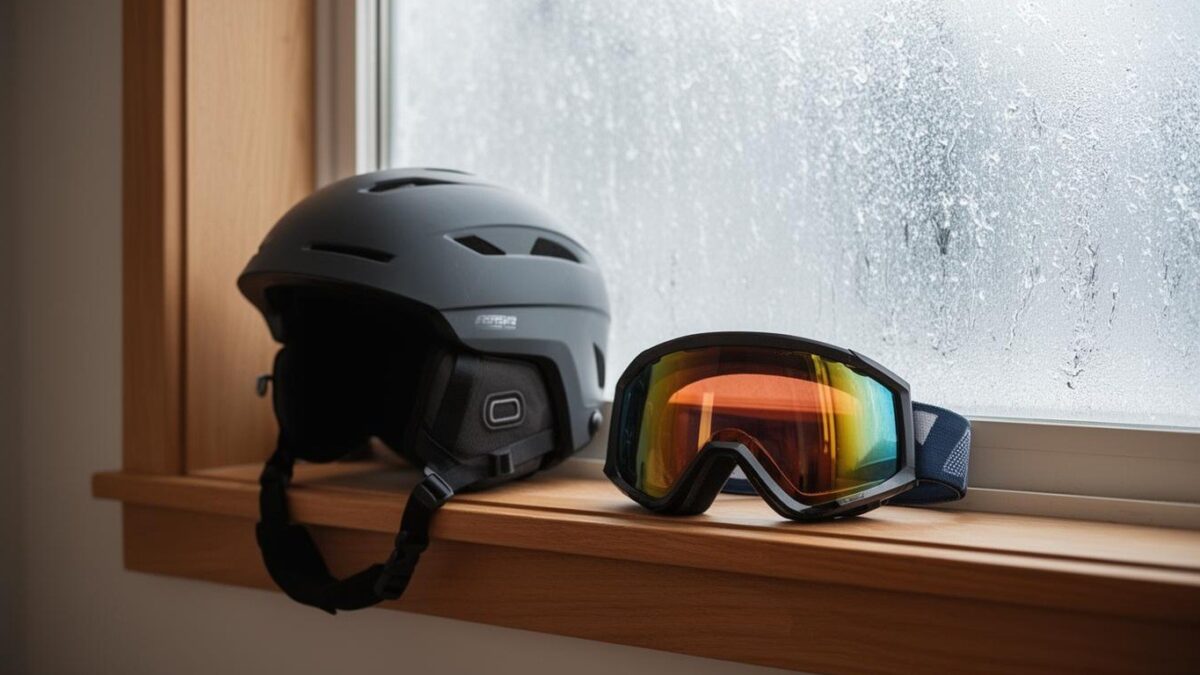
Helmets and goggles should be tried on and checked for fit. See our guide to helmet and goggle fit. A helmet bought at a discount must still fit your head, and a goggle must still seal against your face.
Jackets and pants should be checked for fit, zipper quality and whether the waterproof rating suits the snow you expect. Ask the shop what the ratings mean and whether they apply to the whole garment.
Return terms and exchanges
Early-season sales often come with different return rules. Some stores do not accept returns on sale items, while others accept exchanges only, or allow returns only within a short window. Check the terms before you pay, and keep the receipt.
Ask in writing what happens if the boot or helmet does not fit after a few days on snow. Ask whether bindings and boots can be exchanged for a different size, and whether a mounting service is included. We do not interpret specific return policies, but the written terms are the ones that protect you. A shop that cannot explain them clearly is a warning sign.
Gift buying
Ski gear is a common gift, and sales make it tempting. The risk is buying the wrong size or a model the recipient already owns. If you are unsure, buy a gift card, a voucher for a fitting or a set of goggle lenses that suit most conditions. Include the receipt so that the recipient can exchange the item if needed.
A calm way to shop
- Decide what you need before the sale starts, starting with boots and then skis.
- Shortlist two or three models and note their full model numbers.
- Check model years, reviews and what has changed.
- Compare prices with at least two other retailers and check the price history.
- Read the return and exchange terms in writing.
- Try on boots and helmets before buying, and ask about a fitting.
- Keep receipts and packaging until the gear has proved itself on snow.
The short version
Early-season sales can save real money on ski gear, but the savings depend on the model, the year and the terms. Read the model number, compare the price with the rest of the season, check the fit of boots and helmets and read the return rules before you pay. A good discount on a gear that fits is worth taking, and a discount on the wrong size is not a bargain at all.
Takeaways
- Read the model number before the banner.
- Compare the price with the same model at other sellers.
- Keep the receipt and the tags until the gear has been tested on snow.
Planning a full kit? Our guide to helmets and goggles explains how to check fit before you buy.